Nordkette weather: is the top clear when Innsbruck is grey? 32 years of sunshine
Rarely: when Innsbruck is grey, the top is almost always grey too. We compared measured sunshine in the city and at 2,251 m, the height of the Hafelekar, for every day from 1994 to 2025. On days Innsbruck got under an hour of sun, the summit got three hours or more on about 1 in 10 in winter and almost never from April to September. So judge by the summit webcam, not the sky over town. October is the clearest month at the top, with 16 sunny days, May the cloudiest with 9, and three days in Innsbruck give you about a 7 in 10 chance of a clear summit day in most months.
Top of Innsbruck: Round-trip Cable Car Ticket, from €56
Original research: 32 years of measured sunshine in Innsbruck and at summit height, compared day by day and hour by hour. How we did it
4.6/5
11,600+ GetYourGuide reviews of the 39 tours we list
Average of the ratings GetYourGuide publishes, weighted by review count; read 11 November 2026.
The short answer: look at the summit, not the sky over town
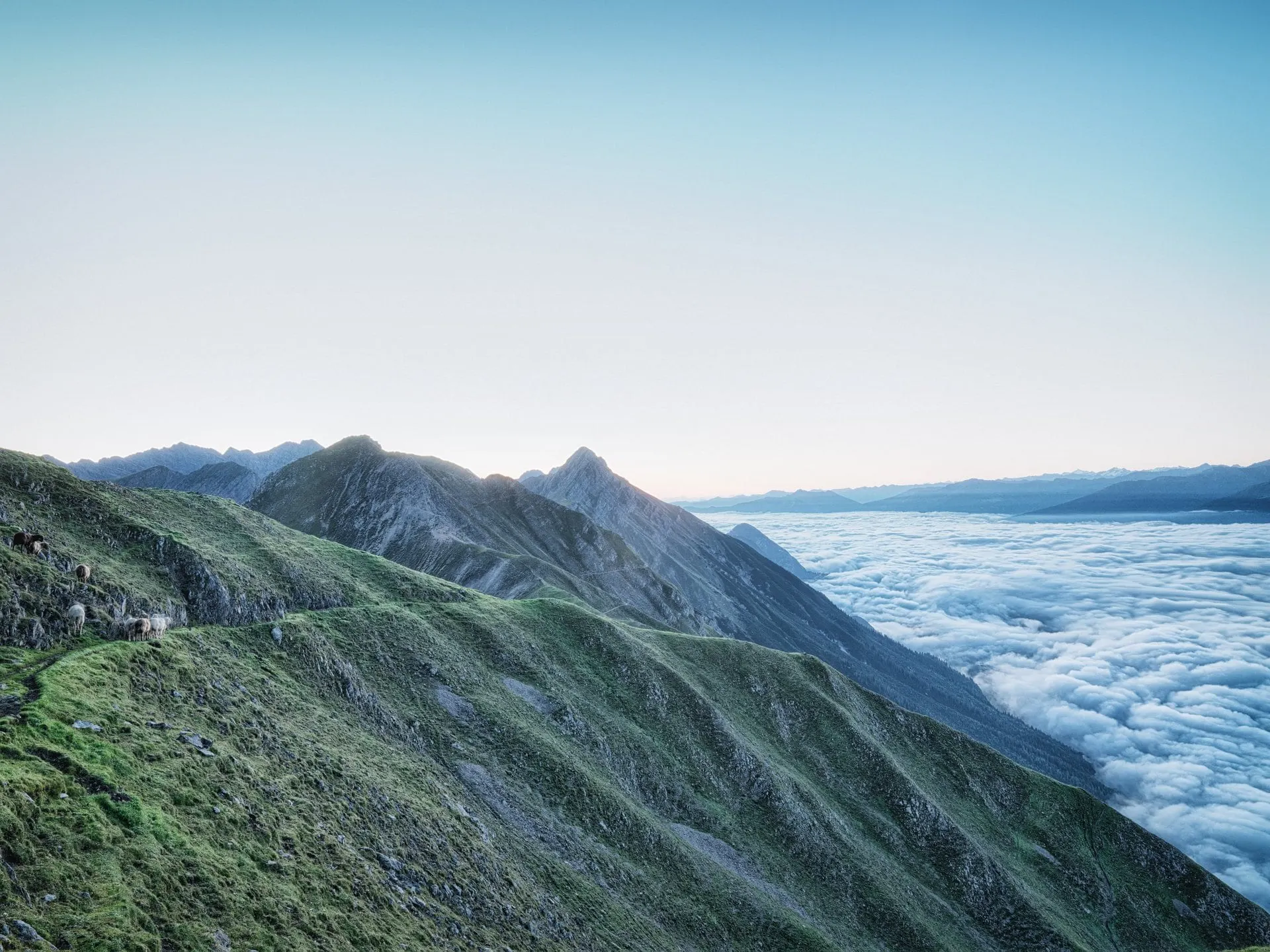
Everyone has heard that the Nordkette sits above the fog: grey in town, blue sky at the top. The measurements say it happens, but rarely. Over 32 years there was on average about one day a month from November to January when Innsbruck had under an hour of sun and the summit had three hours or more, and almost none from April to September. When the city is grey, the cloud is usually thick enough to swallow the mountain too.
What the summit does get is more sun in winter. From November to February the top averages 0.4 to 0.9 hours more sunshine a day than the city, partly because the valley floor loses the low winter sun behind the mountains. From March to September it is the other way round: clouds form on the peaks and the city gets up to about an hour more. The cable car’s webcams at the Hungerburg and the Hafelekar show you the mountain in real time; check them before you buy.
The chart and the table are averages for every day from 1994 to 2025. A sunny day at the top means the summit had sun for at least 60% of the daylight; a grey day in Innsbruck means less than one hour of sun in the city. October is the best month at the top, with almost 16 sunny days, more than any summer month. May is the worst, with under 9, when spring showers build over the peaks most afternoons. December has the most grey days in town, almost 11, and the most days with the summit in cloud.
Sunshine in Innsbruck and at summit height by month, 1994 to 2025
Month
Sun per day in Innsbruck
Sun per day at the top
Sunny days at the top
Grey days in Innsbruck
Grey days with sun at the top
January
3.3 h
4.2 h
13.6
9.1
11%
February
4.5 h
5.0 h
12.4
6.3
4%
March
5.8 h
5.5 h
13.1
5.1
2%
April
6.8 h
5.7 h
11.6
3.7
1%
May
6.6 h
5.8 h
8.7
4.3
0%
June
7.3 h
6.8 h
10.6
2.9
2%
July
7.2 h
6.8 h
11.3
2.5
0%
August
7.0 h
6.5 h
13.1
4.0
2%
September
6.3 h
5.8 h
12.9
4.8
3%
October
5.3 h
5.7 h
15.7
5.4
5%
November
3.6 h
4.2 h
12.9
8.4
8%
December
2.9 h
3.8 h
13.1
10.6
9%
Averages of measured daily sunshine, GeoSphere Austria stations Innsbruck Universität (578 m) and Patscherkofel (2,251 m), 1994 to 2025. Sunny day at the top: sun for 60% of daylight or more. Grey day: under 1 hour of sun in Innsbruck; with sun at the top: 3 hours or more at the summit that day.
Hours of sunshine per day, Innsbruck and the summitInnsbruck, 578 mSummit height, 2,251 m
Measured daily sunshine, averaged over 1994–2025: GeoSphere Austria stations Innsbruck Universität and Patscherkofel.
Is the top above the fog? Only on about 1 grey day in 10
Of the days Innsbruck got under an hour of sun, the summit had three hours or more on 11% in January, 9% in December and 8% in November. From March to September the figure is 0 to 3%. Hour by hour it looks the same: in an hour when the city has no sun between 10:00 and 16:00, the summit is sunny in that hour 9% of the time from November to January and 2% in summer.
The deep valley fog that sits under clear sky for days, the kind you get in the Po valley or around Vienna, is uncommon here. Grey days in Innsbruck usually mean real cloud from a front or from air banking up against the Alps, and it reaches higher than 2,250 m. If you do wake to low fog in November or December, look at the webcam: those are the mornings the top can be a sunny island.
How many days to give it
The chance of a clear summit day rises quickly with every extra day you can wait. On a single day it is 28 to 51% depending on the month; give it three days in Innsbruck and it is 56 to 79%, and four days take most months above 80%. The table shows the chance that at least one day of a stay starting in that month has a sunny summit, counted from 32 years of real day sequences, not assumed.
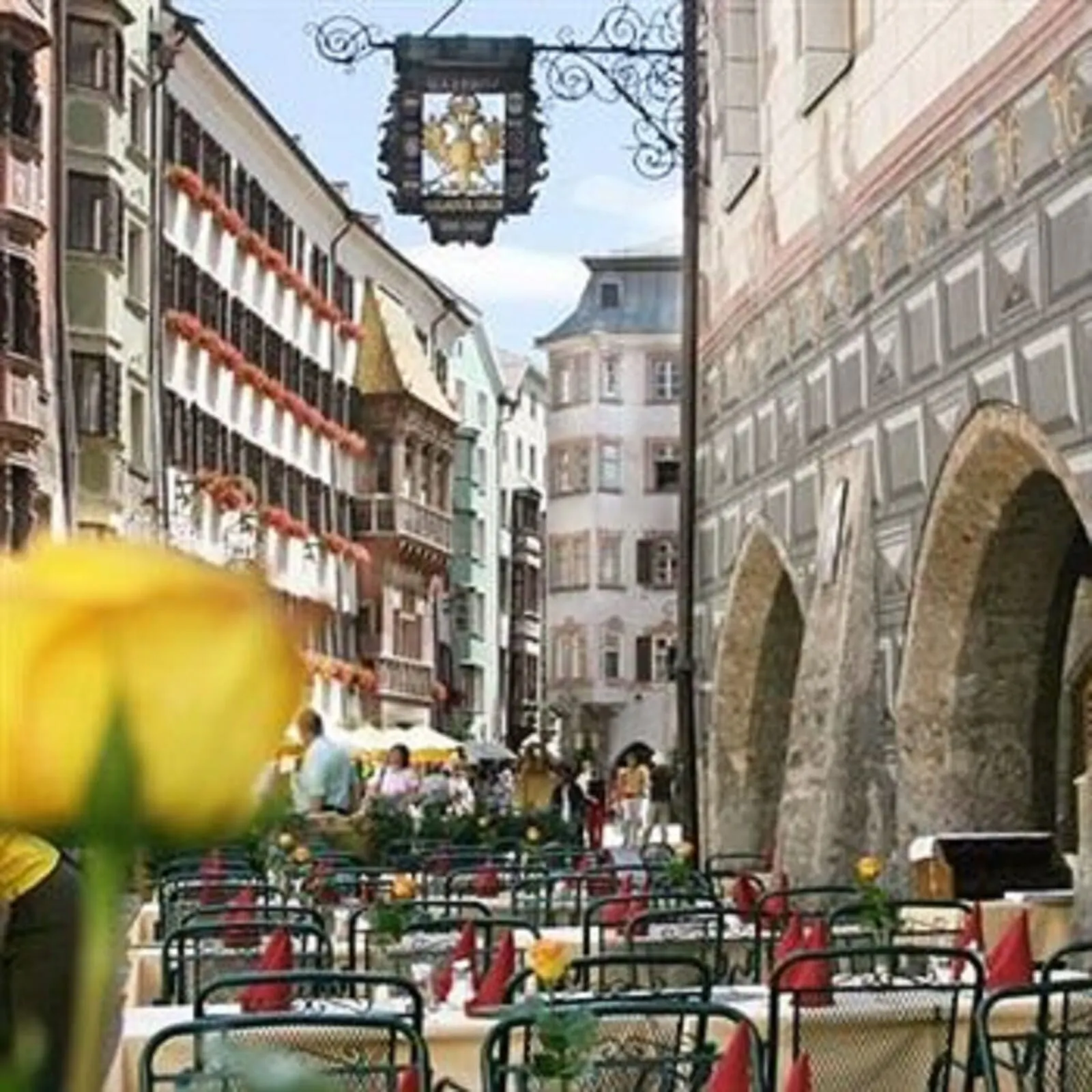
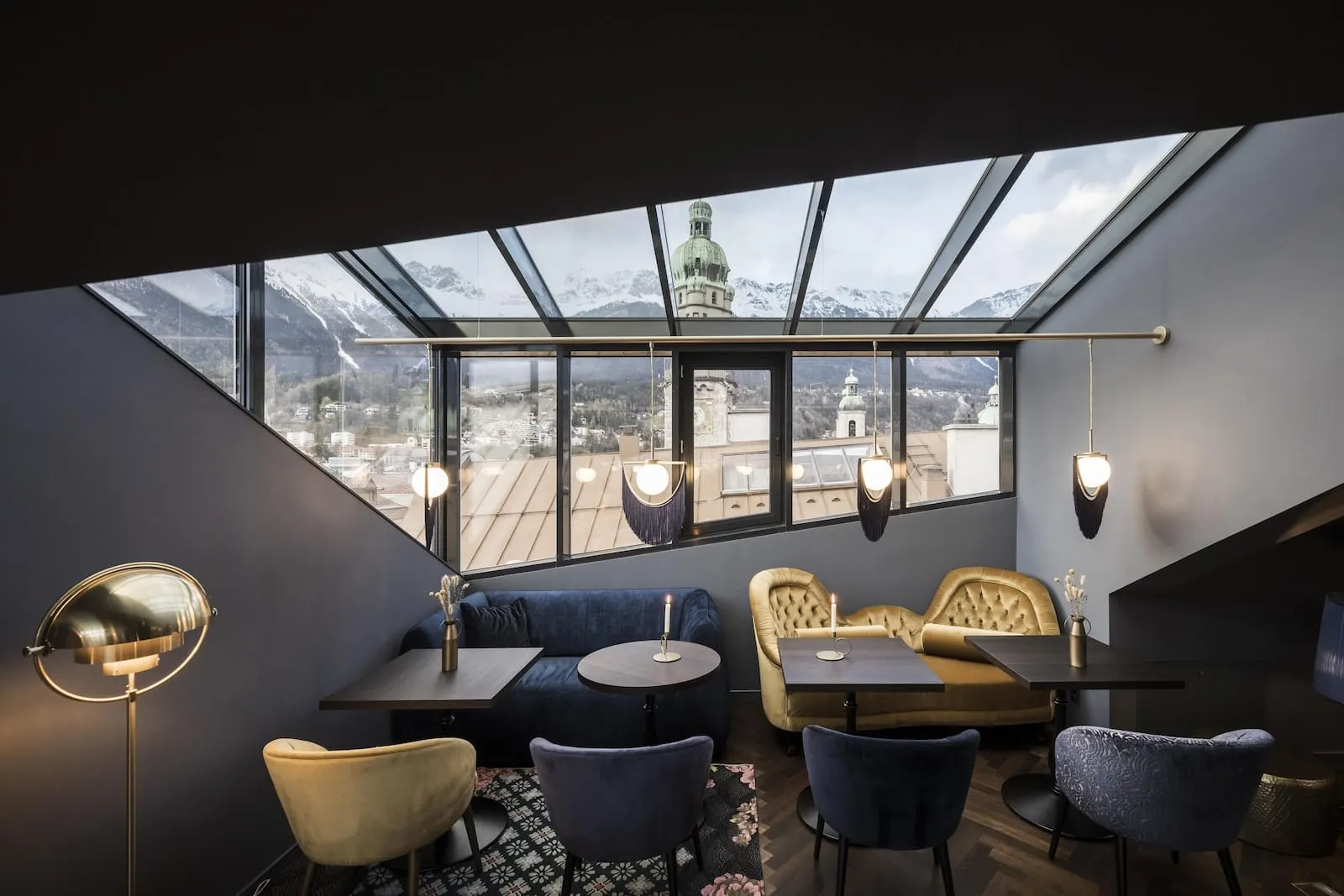
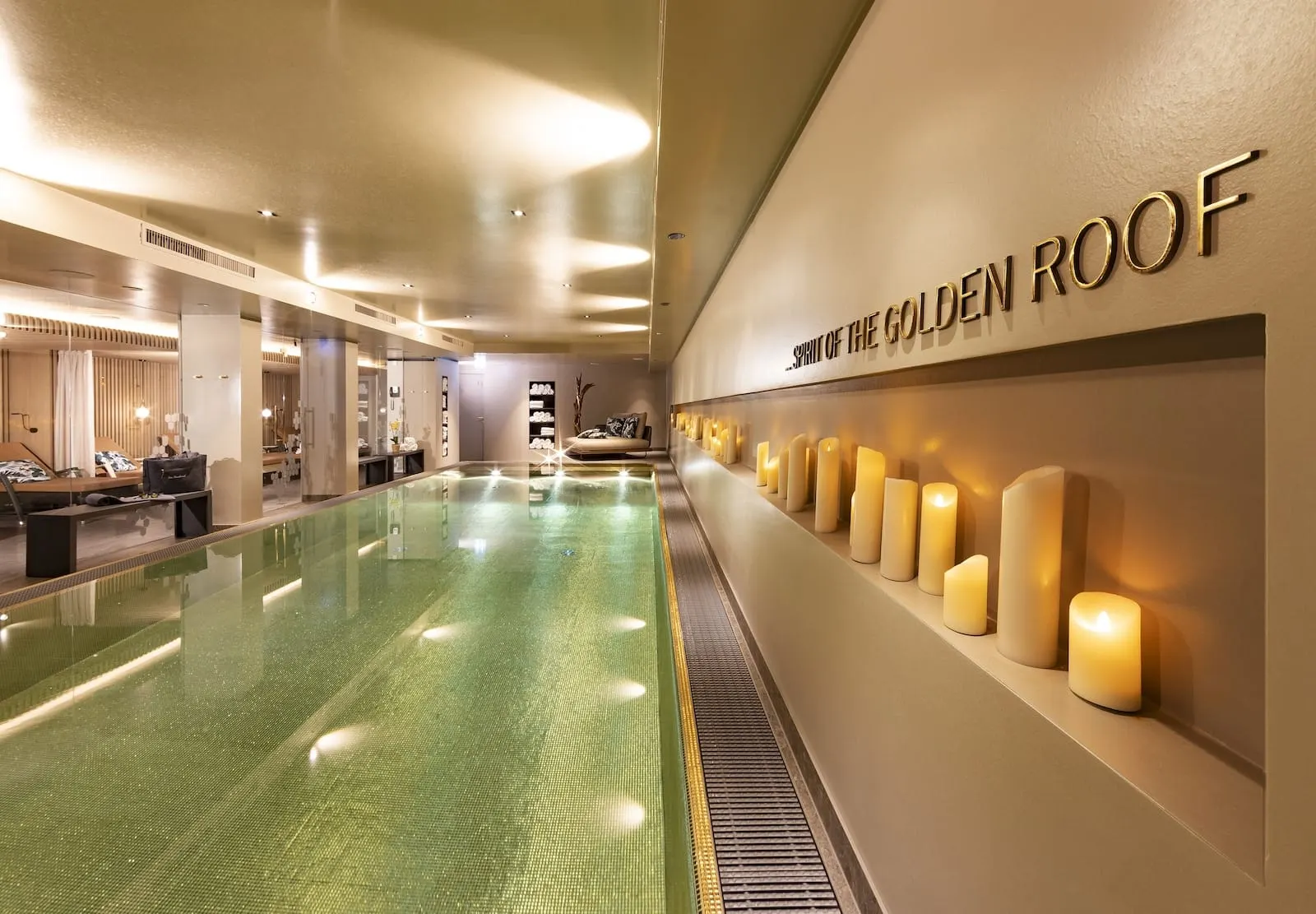
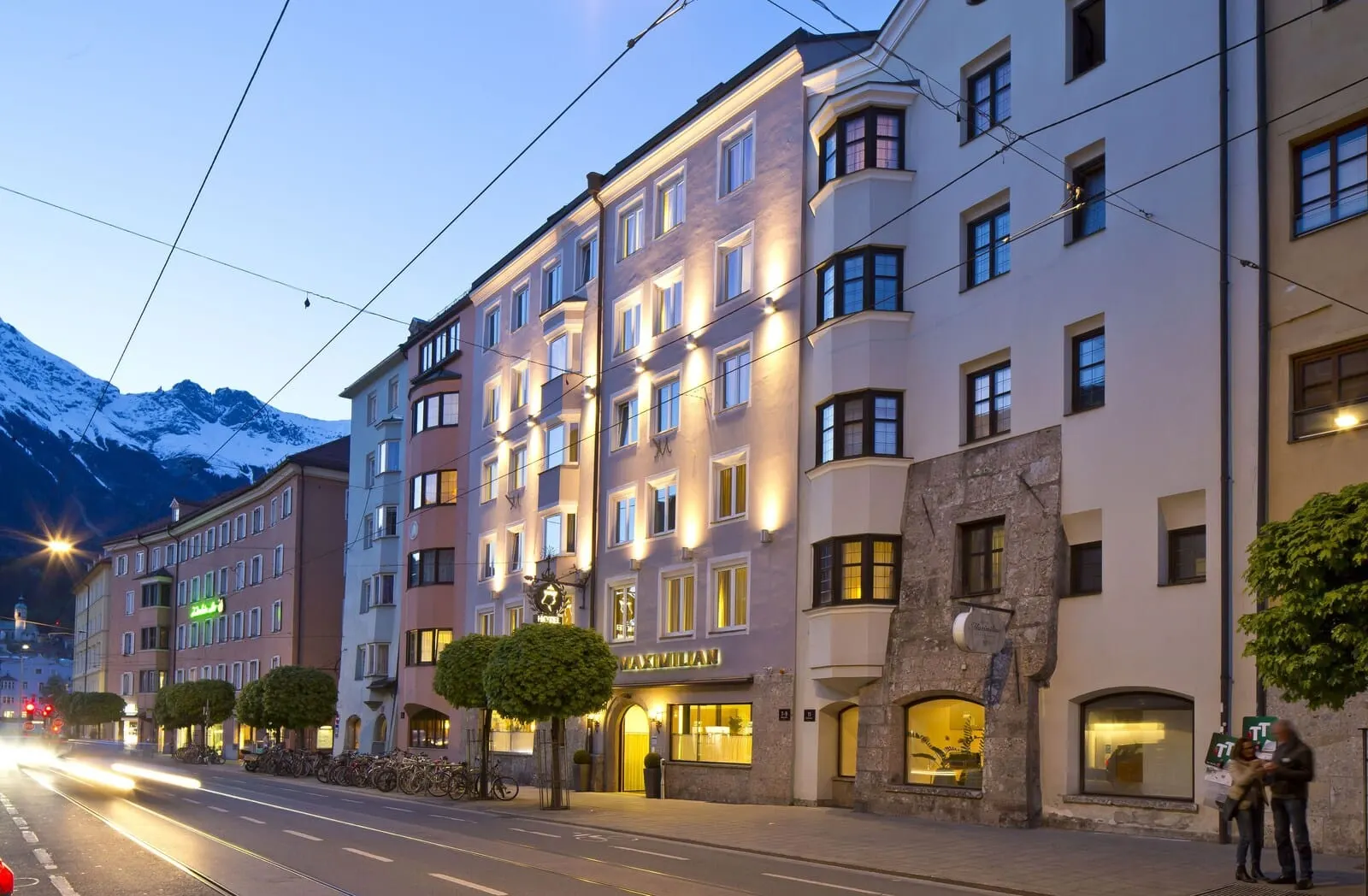
The old town hotels below are a few minutes' walk from the Congress station of the Hungerburg funicular, so you can go up the moment the webcam clears.
Chance of at least one sunny summit day, by stay length
Stay starting in
1 day
2 days
3 days
4 days
January
44%
61%
73%
82%
February
44%
61%
73%
82%
March
42%
59%
71%
80%
April
39%
55%
66%
75%
May
28%
44%
56%
65%
June
35%
52%
64%
72%
July
36%
54%
67%
76%
August
42%
59%
71%
80%
September
43%
60%
72%
80%
October
51%
68%
79%
85%
November
43%
61%
74%
83%
December
42%
60%
72%
81%
Counted from every start date in the month, 1994 to 2025: the share of stays in which at least one day had sun at the summit for 60% of daylight or more.
It matters less than people think. Between 9:00 and 12:00 in June, July and August the summit was sunny in 59% of hours, against 55% between 14:00 and 17:00: a small edge for the morning as afternoon clouds build. In winter the difference is one or two points. The Hafelekar cable car runs from 09:00 to 16:45, so the real rule is to go up early enough to wait out a passing cloud and still catch the last ride down.
Book it so the weather cannot cost you
The Top of Innsbruck return ticket on GetYourGuide has free cancellation up to 24 hours before and you pay later, so book it for your likeliest day and move or cancel it the day before if the summit forecast is poor. The combined ticket with the Alpine Zoo works the same way, and the zoo, low down at the Hungerburg, is the plan B when the top is in cloud.
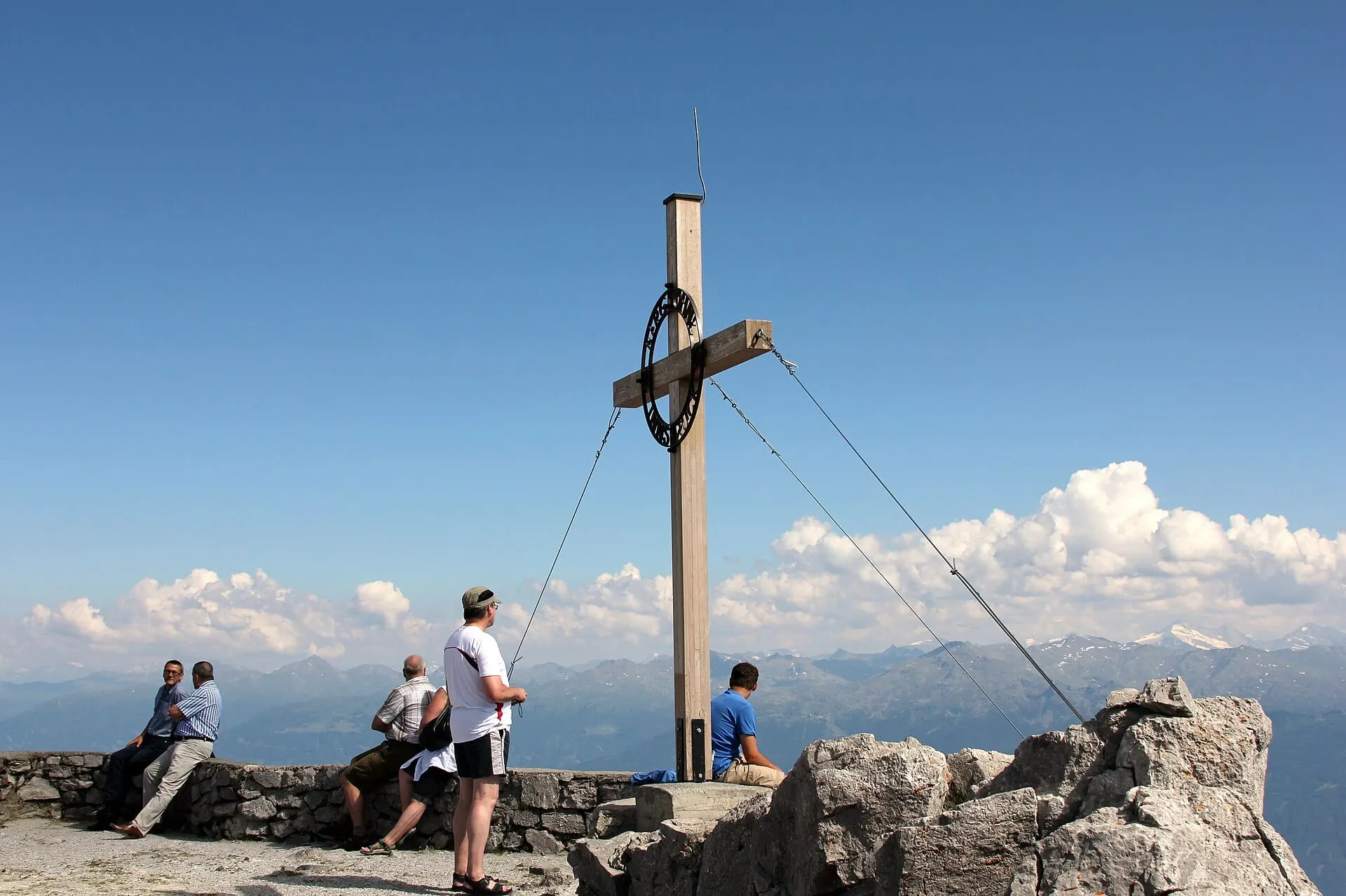
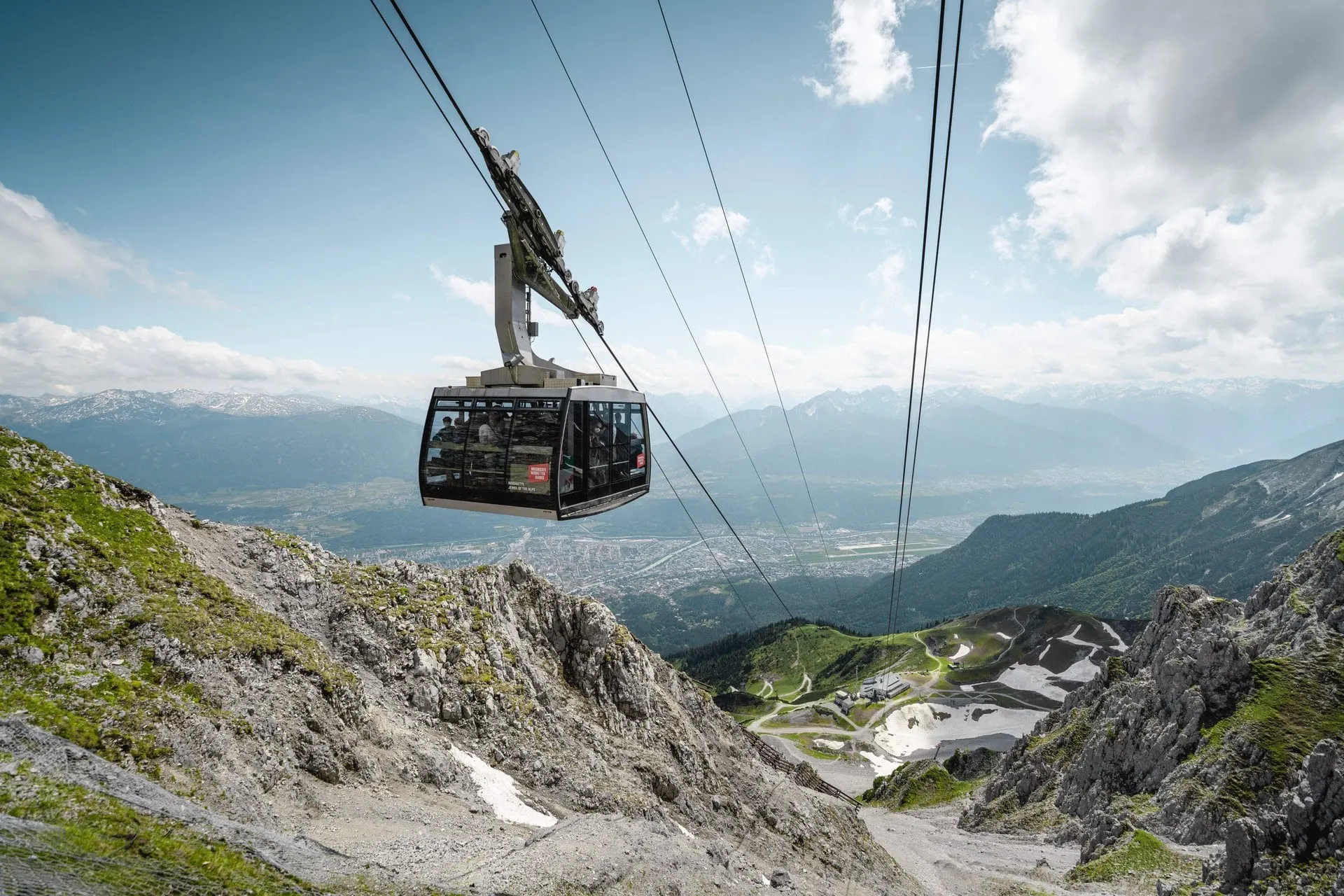
The one mountain trip almost every visitor should make: from the old town to 2,256 m in about 20 minutes, with the whole of Innsbruck below you and the Karwendel behind.
Departs from Hungerburgbahn station, next to Congress Innsbruck, Rennweg 3 · Valid for one day; the ride up takes about 20 minutes, allow half a day
We used the measured daily sunshine duration from GeoSphere Austria, the national weather service, for two stations: Innsbruck Universität at 578 m in the city, and Patscherkofel at 2,251 m, the summit across the valley at almost exactly the height of the Hafelekar (2,256 m). There is no long sunshine record on the Nordkette itself, so Patscherkofel stands in for the summit; the two face each other across Innsbruck, about 13 km apart. We used every day from 1994 to 2025 and every hour from 2006 to 2025.
A sunny summit day is one with sun for at least 60% of the astronomical day at Innsbruck’s latitude. A grey day in town is one with under one hour of sun. The stay figures count, for every start date in a month, whether at least one of the next one to four days had a sunny summit, over all 32 years. Sunshine is not the same as a clear view, and haze or a cloud sitting on the Hafelekar alone will not show in the data. Read on 20 November 2026.
Questions
Is the Nordkette worth it when Innsbruck is cloudy?
Usually not. Over 32 years, on days Innsbruck had under an hour of sun, the summit had three hours or more on about 1 in 10 in winter and almost never from April to September. Check the Hafelekar webcam before you buy: if they show cloud, go another day.
What is the best month for a clear view from the Nordkette?
October, with almost 16 days a month on which the summit had sun for at least 60% of daylight, measured from 1994 to 2025. January, March, August, September, November and December follow with about 13. May is the cloudiest at the top, with under 9.
Is the Nordkette above the fog in winter?
Sometimes, but less often than people say. From November to January about 1 grey day in 10 in Innsbruck had three hours or more of sun at the summit. Low morning fog in November and December is the best chance; the webcams show it.
Is the morning better than the afternoon at the top?
Slightly, in summer: between 9:00 and 12:00 the summit was sunny in 59% of hours, against 55% between 14:00 and 17:00, from 2006 to 2025. In winter the difference is negligible.
How many days should I allow to get a clear day on the Nordkette?
Three days in Innsbruck give you about a 7 in 10 chance of at least one sunny summit day in most months, and four days take most months above 80%. A single day gives 28% in May and 51% in October.
A wider look at Innsbruck
Our hotels are hand-picked. If your dates or budget call for something else, see every hotel and apartment on the big booking sites.